Water-efficient farming is no longer optional in South Africa's changing climate. We share the irrigation methods we use across our fields — and the results they deliver.
Why Water Efficiency Is Now a Business Imperative
South Africa is a water-scarce country. With average rainfall below the world average and increasingly unpredictable seasons due to climate change, every litre counts. At Harvst Haven, we learned early that sustainable irrigation isn't just good for the environment — it's good for the bottom line.
Over-irrigation wastes money, leaches nutrients from the soil, and can cause root disease in crops. Under-irrigation stresses plants and reduces yields. Getting it right requires the right systems, the right monitoring, and the right discipline.
Drip Irrigation: The Foundation of Water-Smart Farming
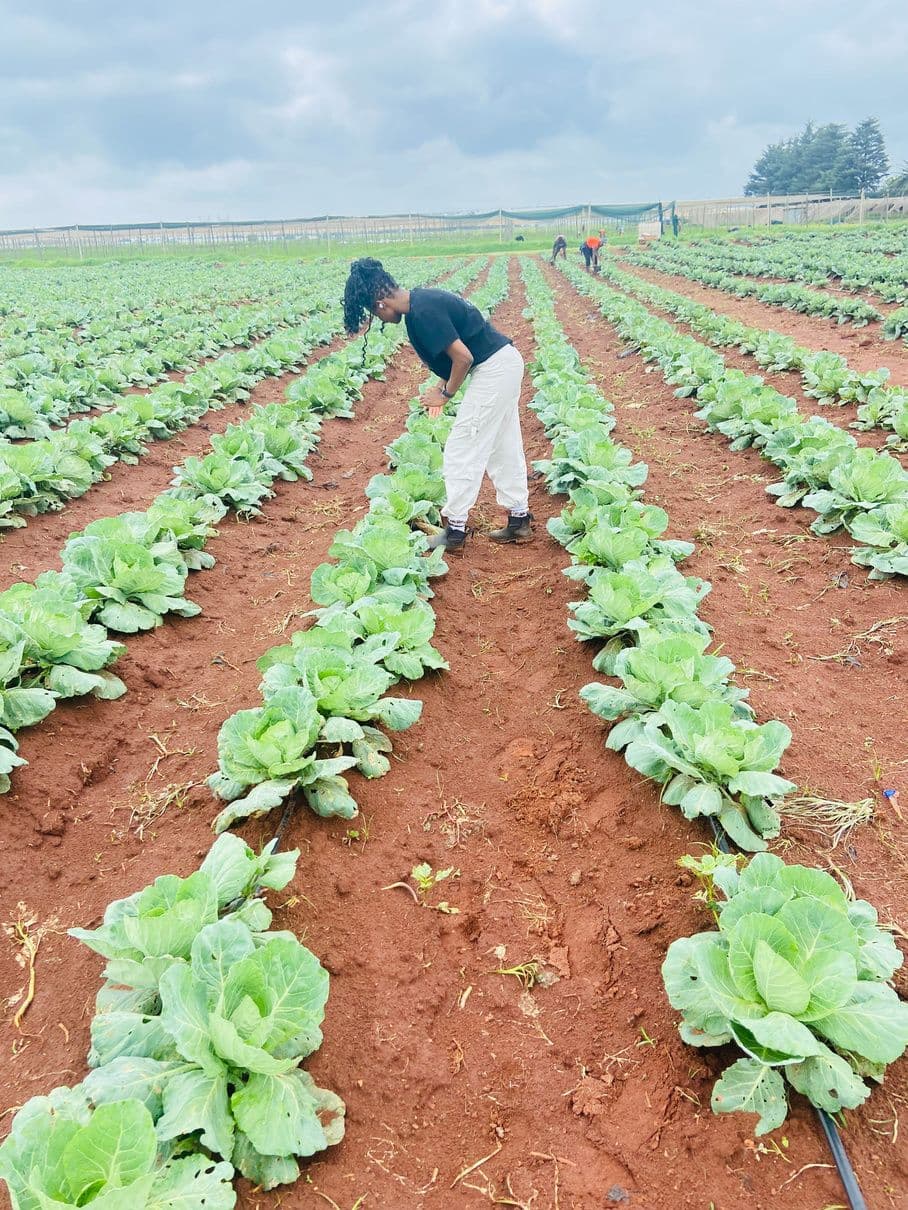
Drip irrigation delivers water directly to the root zone at a controlled rate. Compared to overhead sprinklers, drip systems use up to 50% less water for the same yield output. We use drip lines across our vegetable beds, particularly for tomatoes, cucumbers, and leafy greens where foliar moisture can promote disease.
The upfront cost of installing drip infrastructure is higher than conventional sprinkler systems, but the payback period in water savings and improved yields is typically under two seasons. For smallholders, government subsidy programmes through the Department of Agriculture, Land Reform and Rural Development (DALRRD) can help offset the initial investment.
Rainwater Harvesting: Capturing What Nature Provides
We supplement our borehole and municipal water supply with harvested rainwater. Gutters on our packing sheds and storage structures feed into 5,000-litre Jojo tanks. During a good season, this harvested water can supply up to 15% of our total irrigation needs — for free.
For smallholders working with limited capital, even two or three 1,000-litre tanks connected to a roof structure can meaningfully reduce dependence on expensive municipal water.
Mulching and Soil Moisture Retention
One of the most undervalued irrigation strategies is simply keeping water in the ground longer. We apply a thick layer of organic mulch — typically straw or wood chips — around all crop beds. This reduces surface evaporation by up to 70% on a hot day, keeps soil temperatures stable, and as it breaks down, improves soil organic matter.
Combined with drip irrigation, mulching allows us to maintain ideal soil moisture with watering intervals that would be impossible with bare soil.
Monitoring: What Gets Measured Gets Managed
We use simple capacitance-based soil moisture sensors in several zones of our fields. These inexpensive devices send alerts when soil moisture drops below threshold levels, removing guesswork from irrigation scheduling. We've reduced our irrigation events by roughly a third since adopting this monitoring approach, without any drop in crop quality.
Our Message to Fellow Smallholders
You don't have to implement everything at once. Start with mulching — it costs almost nothing and the impact is immediate. If you can invest in one drip line for your highest-value crop, do it. Add a rain tank when budget allows. Monitor, observe, and refine.
Water is the most precious resource on any farm. The smallholders who treat it that way today will be the ones still farming prosperously in twenty years.